
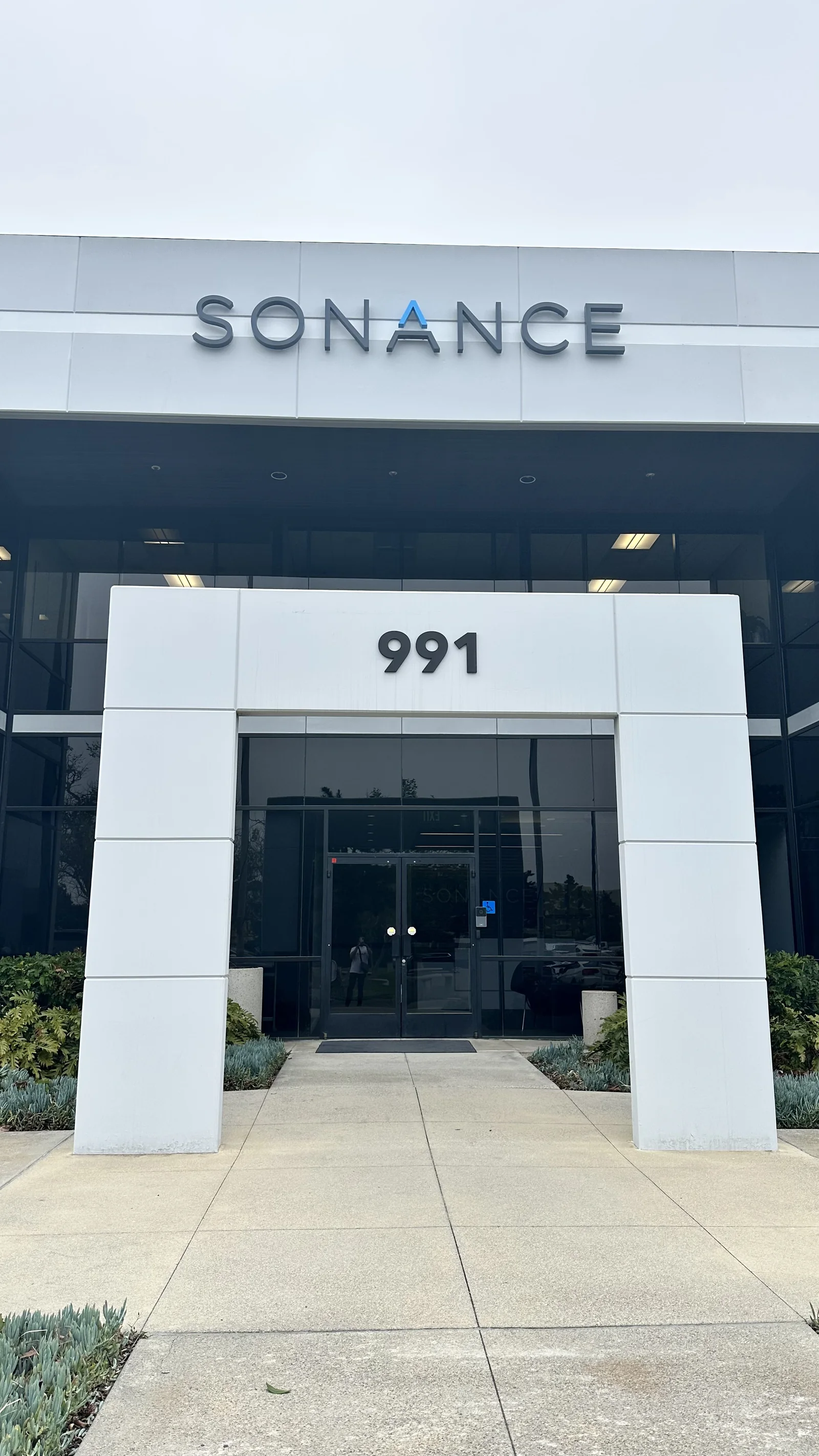
Some partnerships are maintained over email. The ones that matter are maintained in person. This spring we flew to San Clemente, California — home of Sonance, the company that effectively invented architectural audio in 1983 — for factory training at their global headquarters. We came back with sharper hands, not just a folder of brochures.
Why We Get on the Plane
Sonance sits deep inside a large share of our work — from the invisible media rooms we plaster their IS Series speakers into, to garden systems that vanish among the borders. When a manufacturer is that embedded in your designs, the datasheet stops being enough. We want to stand in the room where the product is engineered, ask the awkward questions of the people who answer them, and get our hands on what is coming next before it ships. A supplier relationship you can only describe from a PDF is not a relationship — it is a purchase order.
The Invisible Series, From the Inside
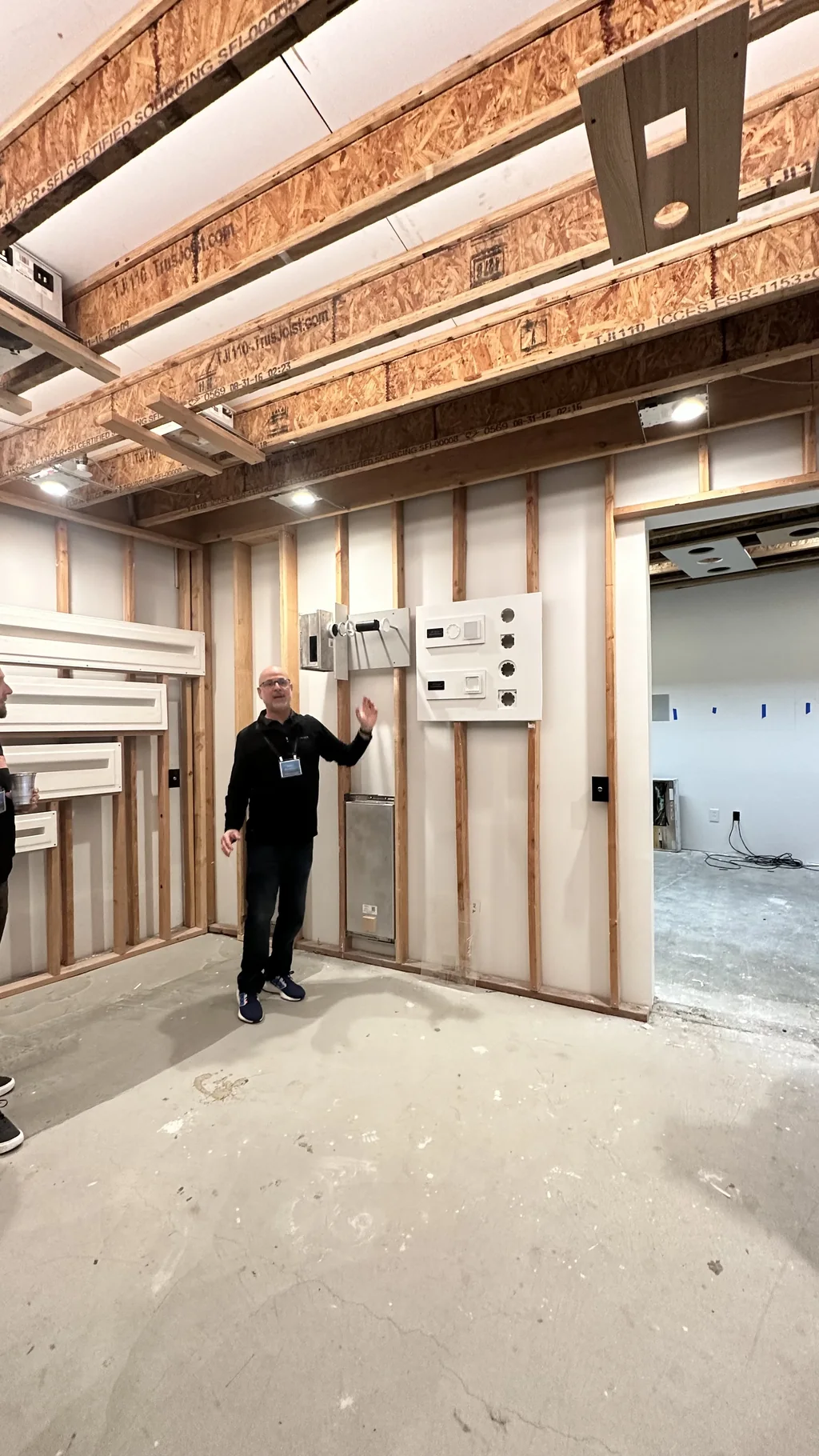
The centre of the visit was Sonance's build lab: a working training facility where invisible speakers are fixed into framed walls, skimmed over, and measured — every stage laid bare rather than hidden behind a finished surface. It is one thing to read that a speaker installs flush and plasters over. It is another to watch the sequence performed by the engineers who designed the mounting system, and to feel exactly how substrate, skim depth and drying time change the result.
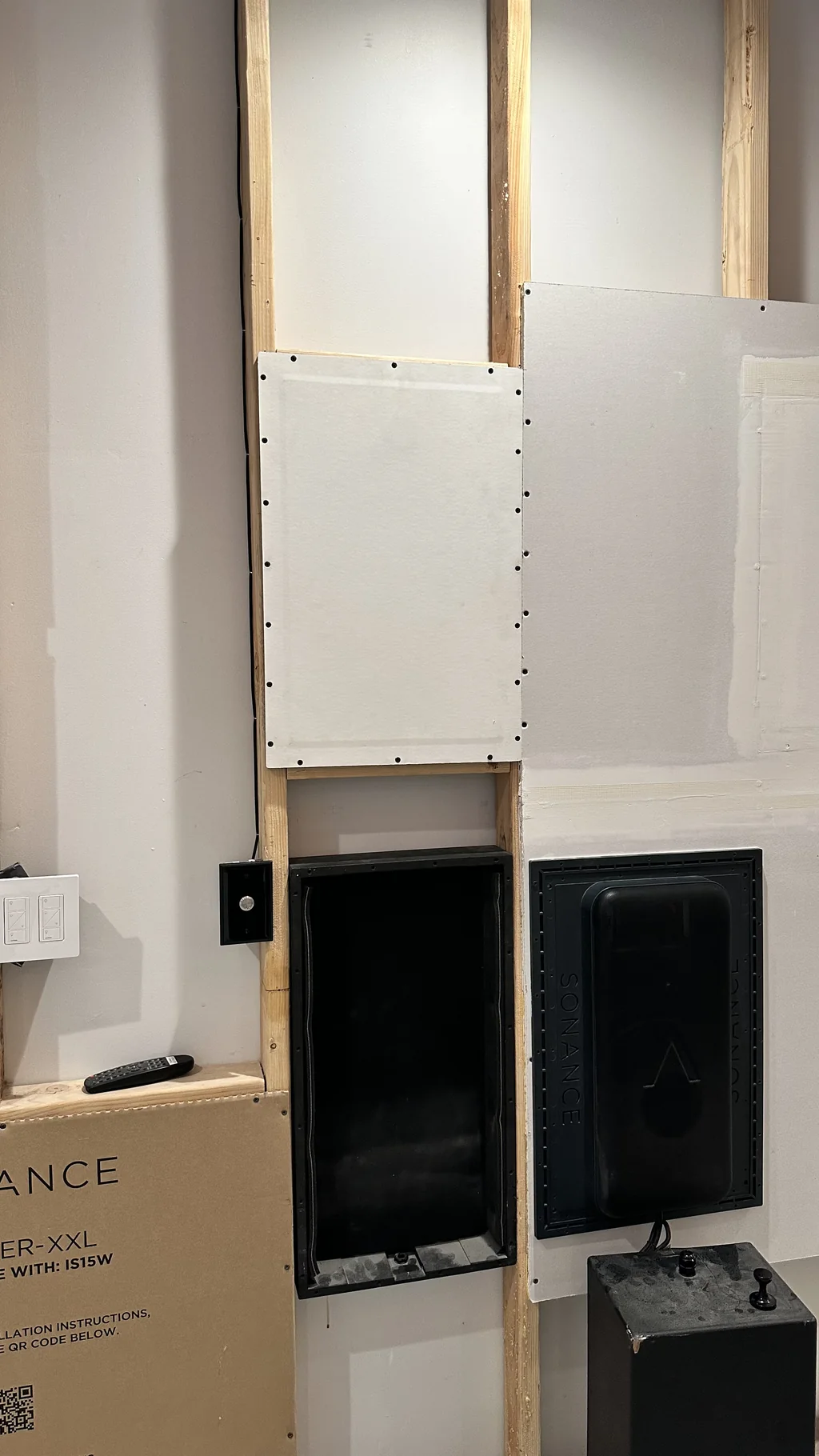
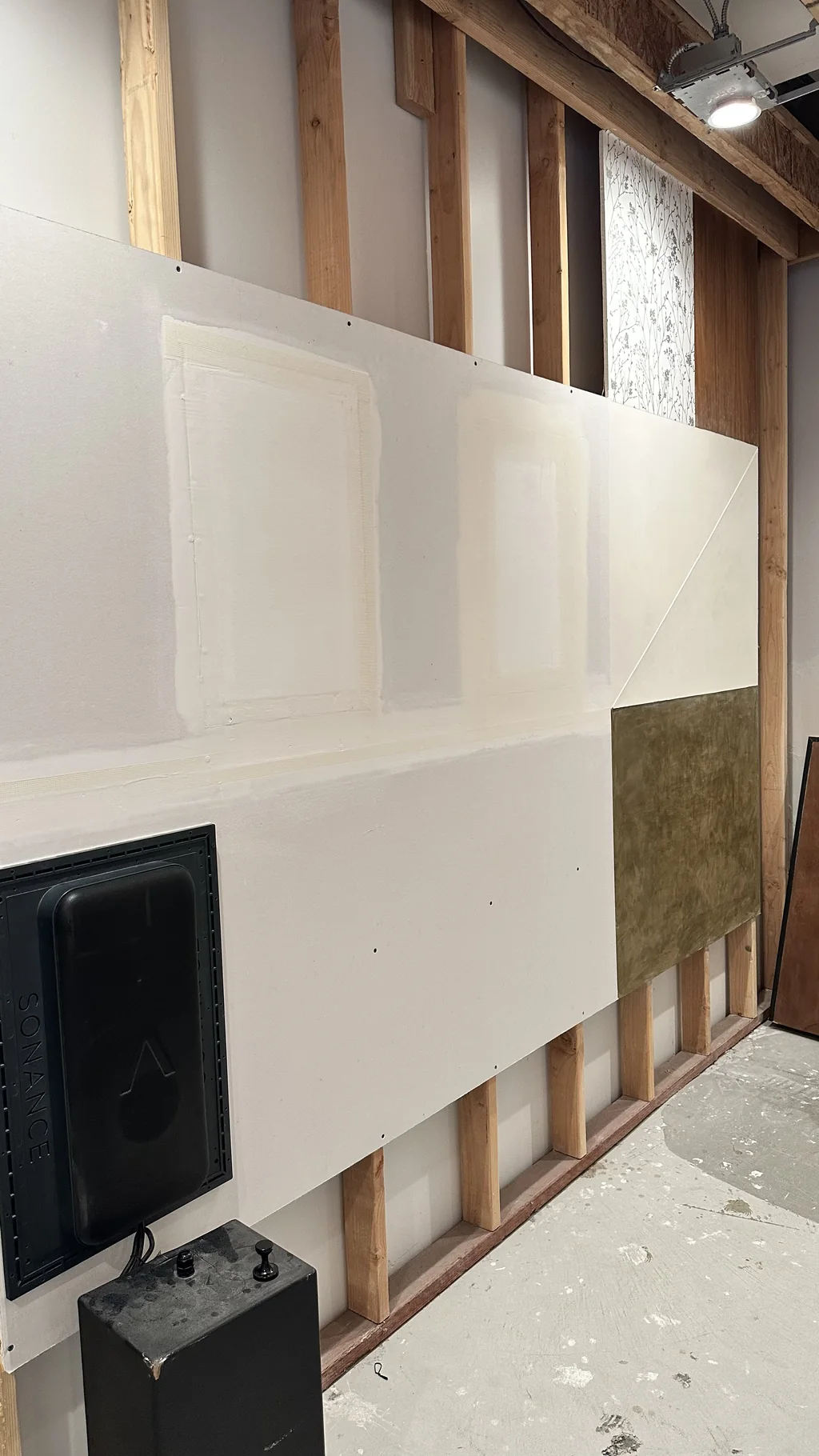
This is why we train at source. An invisible speaker is unforgiving — once it is plastered in and painted over, there is no re-aiming it, no swapping a grille, no second attempt. The entire margin for error lives in the installation discipline, and the only way to buy that discipline down to near zero is to learn the method from the people who wrote it.
Reference Rooms, and What Comes Next
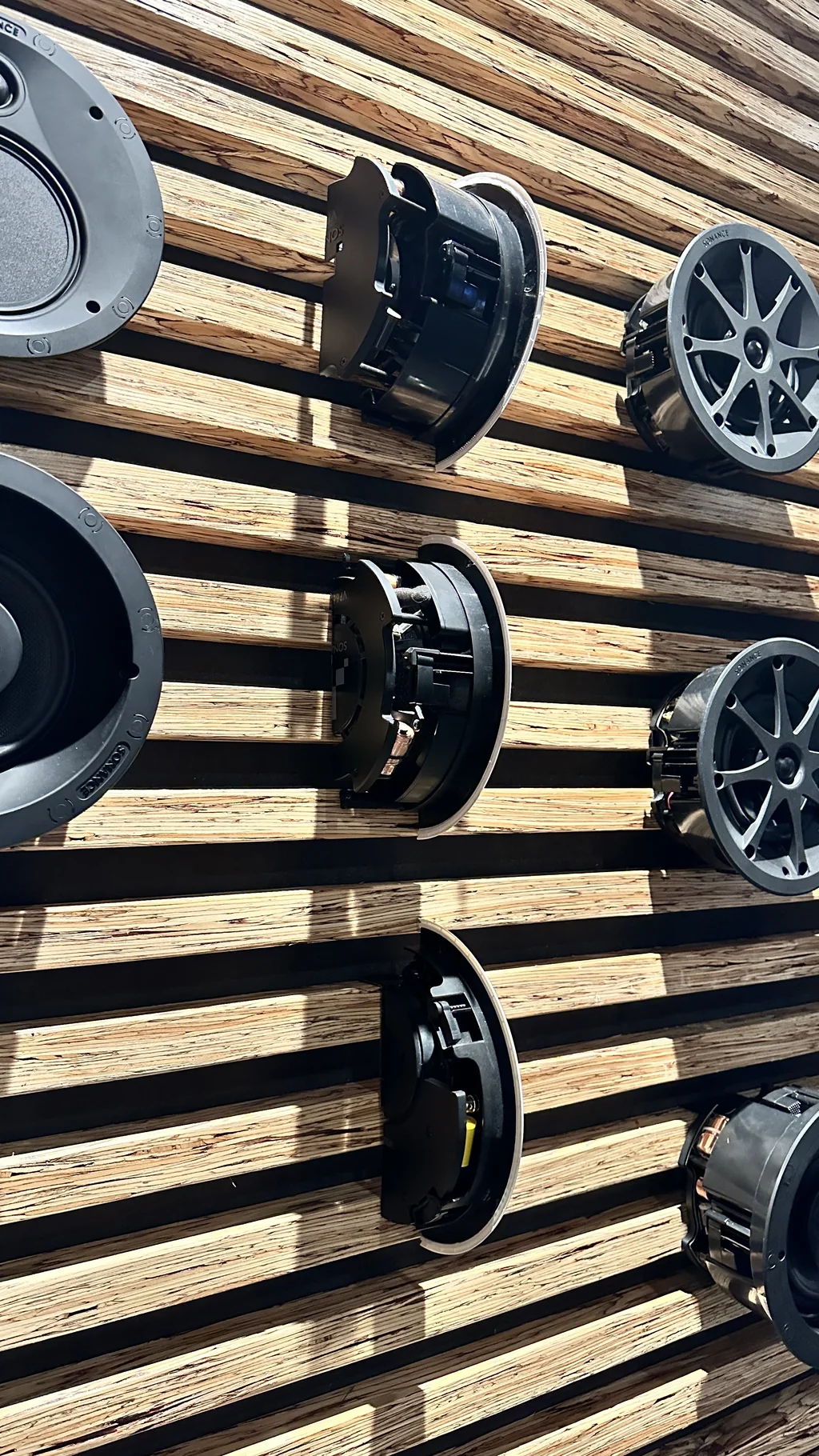
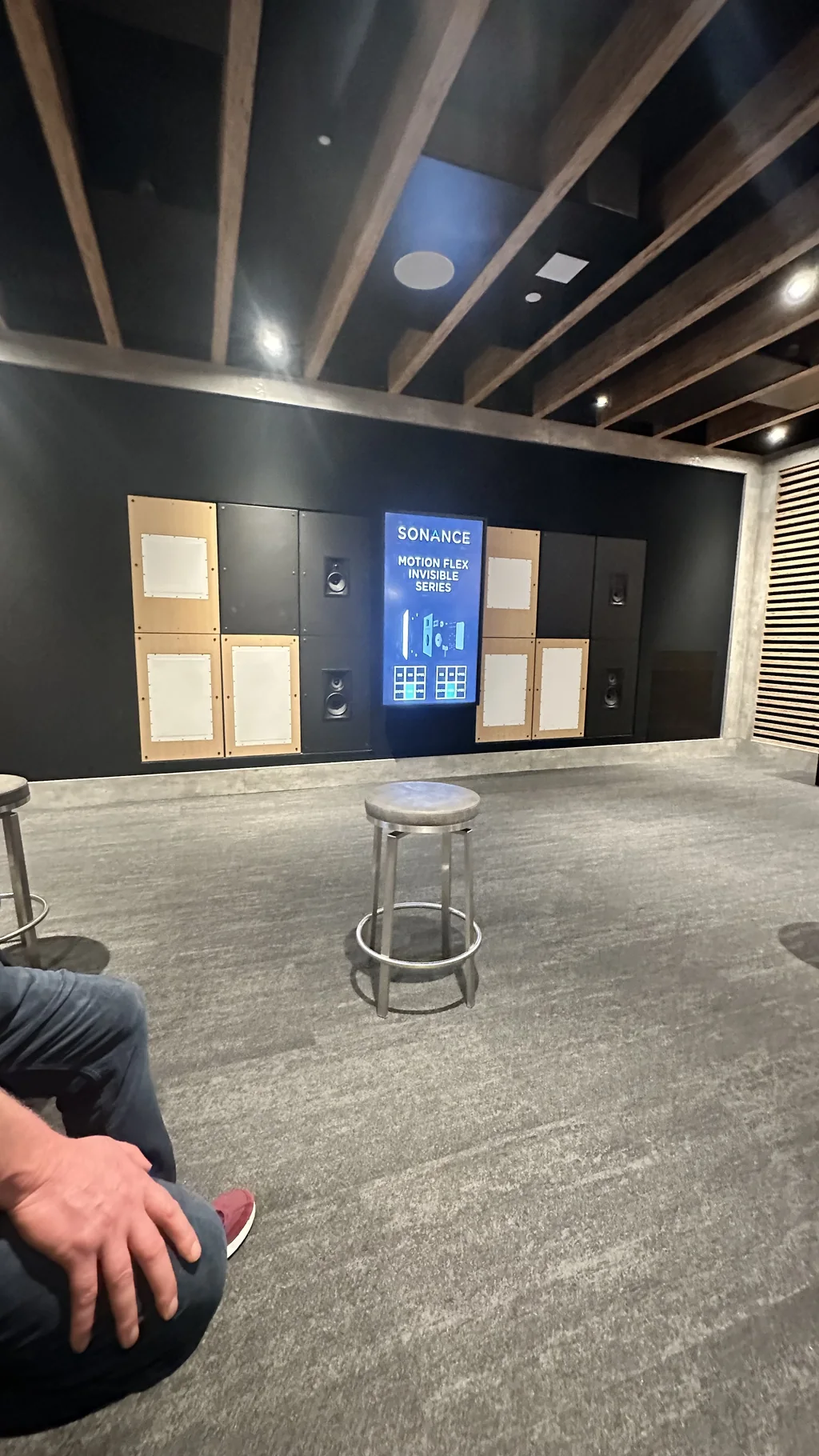
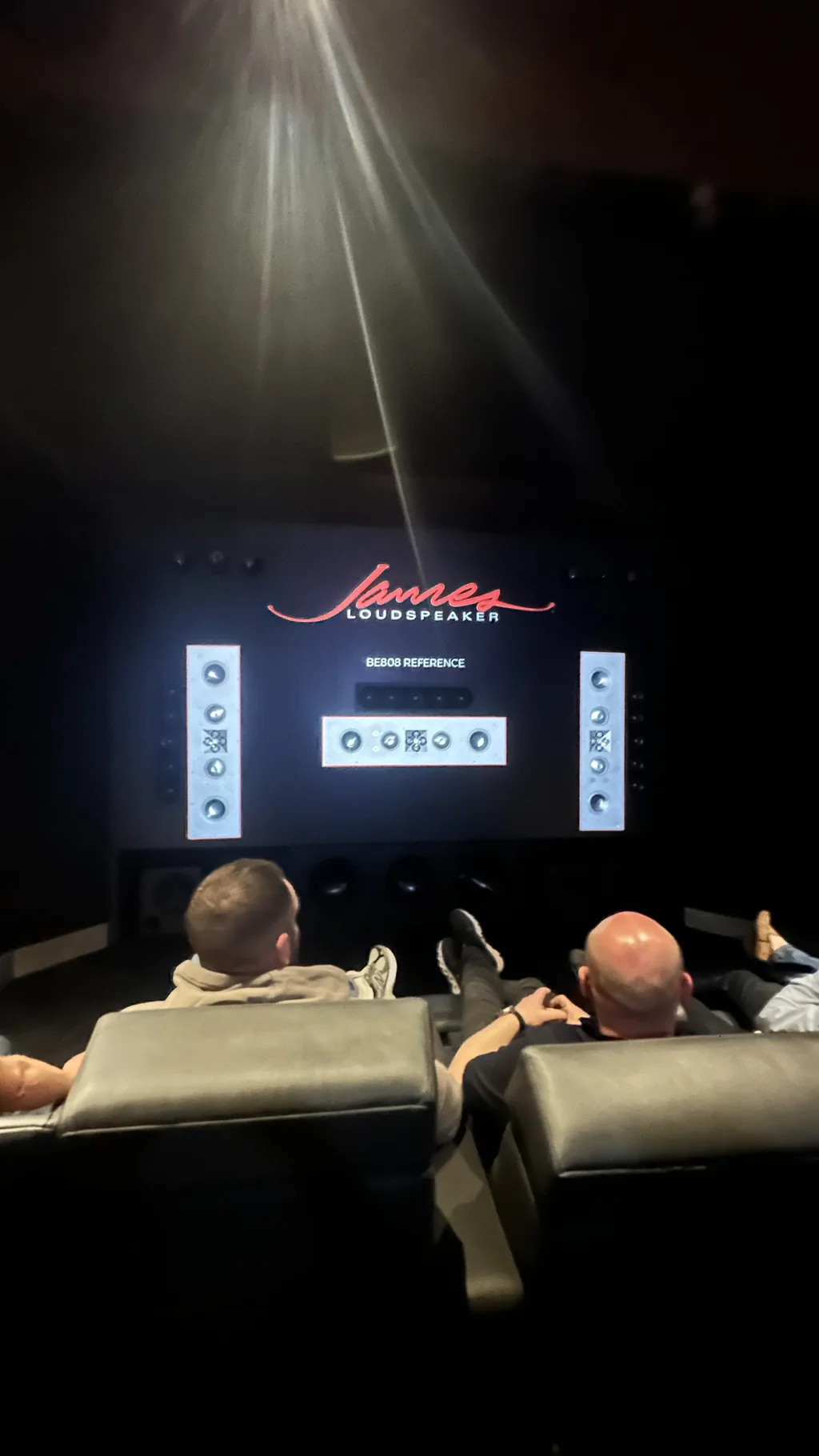
The rest of the campus is a lesson in how far the category has travelled. A wall of drivers charts decades of engineering like a museum exhibit; the demonstration suites move from discreet architectural systems to full reference cinema — including a James Loudspeaker room that makes the ceiling speakers of a decade ago feel like a different industry.
What This Means for Your Project
Every hour in San Clemente compounds into better decisions on your installation: the right product chosen the first time, an install method validated by the manufacturer rather than improvised on site, and early sight of the roadmap so today's design does not date the moment it is commissioned. If you are drawn to truly invisible audio — sound with zero visual footprint — book a consultation or read more about our whole-home audio approach.